
Summary of Test
ISO 14801 centers on fatigue testing of dental implants and their prosthetic elements. The test has been used to compare differently designed implants or those of varying size.
Testing should be only performed on a finished specimen. The endosseous dental implant should be assembled according to its intended use. Prior to conducting ISO 14801, it is important to read the entire specification in the relevant publication.
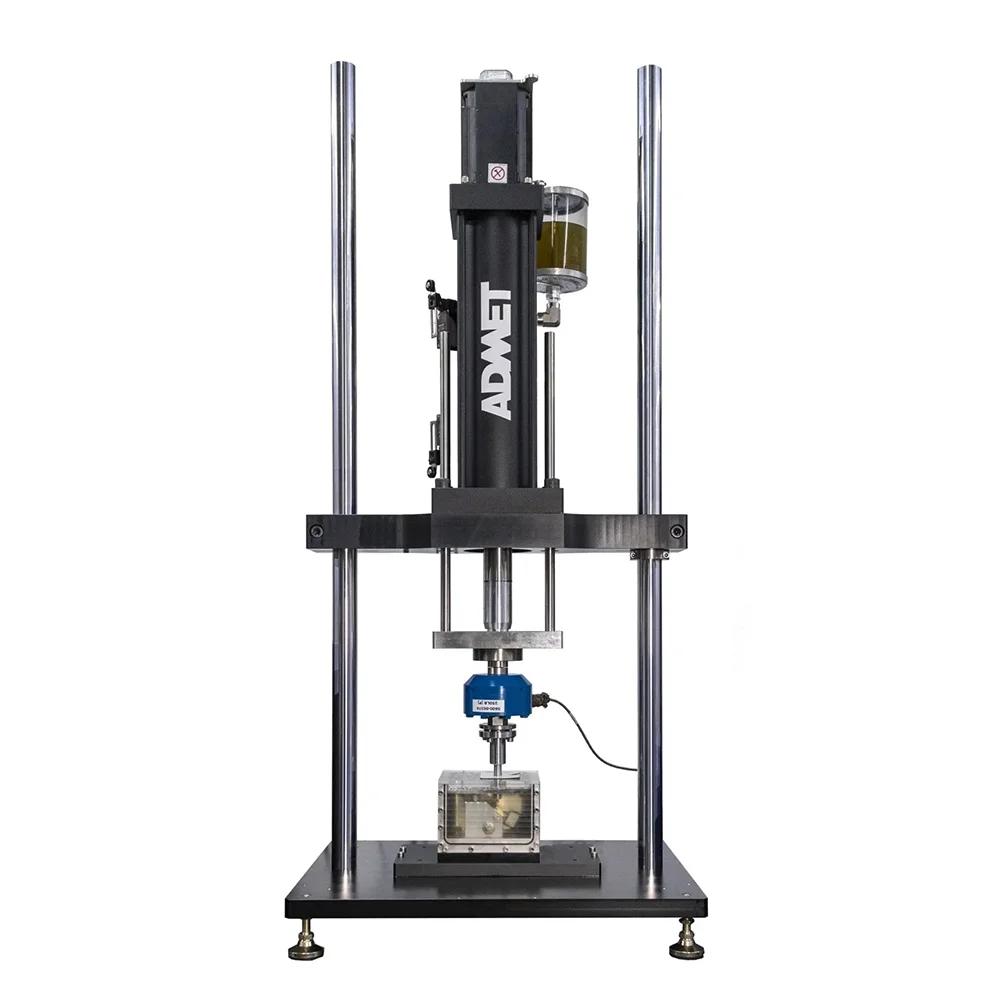
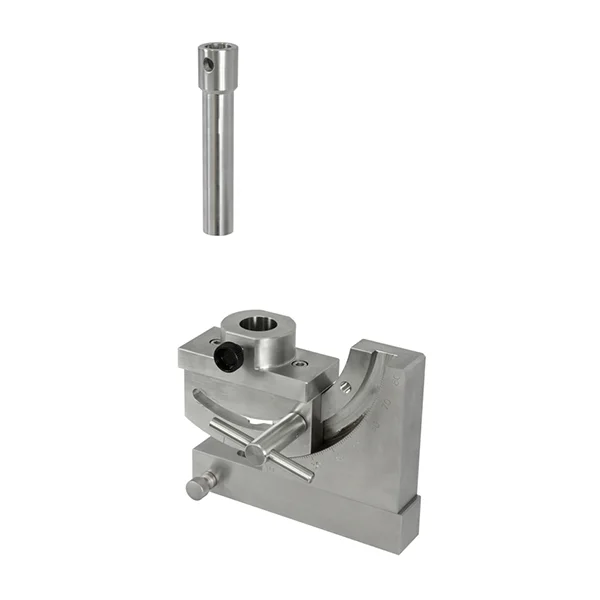
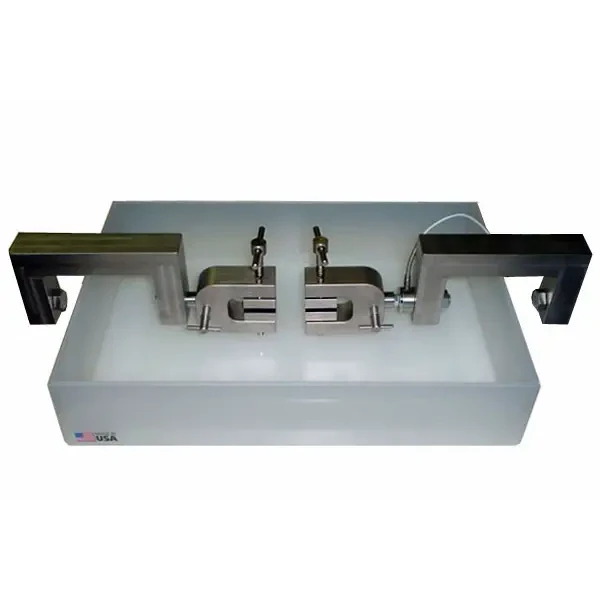
Recommended Equipment
Testing Procedure
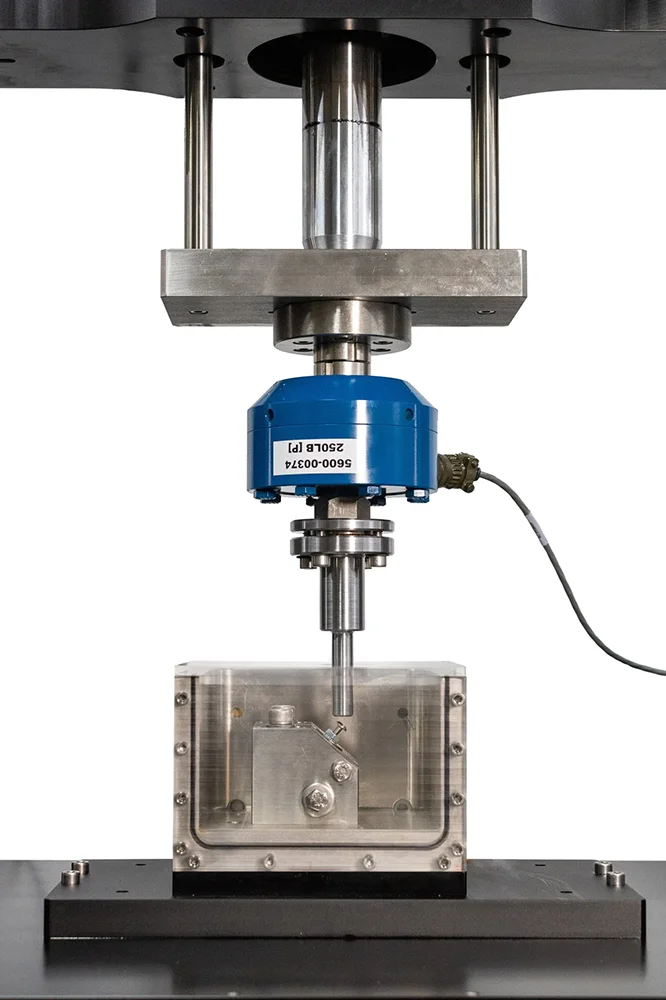
- If there is evidence of corrosion fatigue, testing should be carried out in a saline bath at a temperature specified in the standard. Otherwise, testing can be conducted in air at 20C.
- Mount the specimen in the test fixture in accordance with the standard.
- Apply compressive loads sinusoidally to the implant until failure as described in the standard. Perform tests in saline to 2 million cycles. Perform tests in air to 5 million cycles.


Just Ask!
Questions about running ISO 14801 on your system?


