Testing Guides

Our testing guides will teach you more about testing concepts, setting up tests, and using material testing equipment. If you have a specific question you need answered, contact us and our engineers will help you!
Medical Adhesive Testing Basics

Posted on
Medical adhesives are specialized substances used to bond medical devices, tissues, or other components together. They must comply with strict biocompatibility requirements and are vital in surgeries, wound care, and medical equipment manufacturing.

Sandwich Construction Materials Mechanical Testing

Posted on
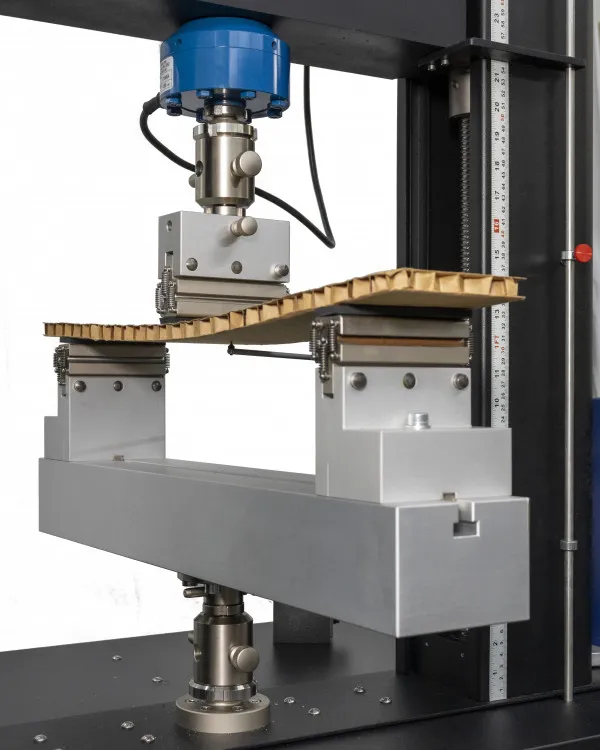
Sandwich construction materials have a high strength-to-weight ratio, high stiffness-to-weight ratio, and low density. Their mechanical properties can be tested in various tests.

Deflection & How To Use A Deflectometer

Posted on
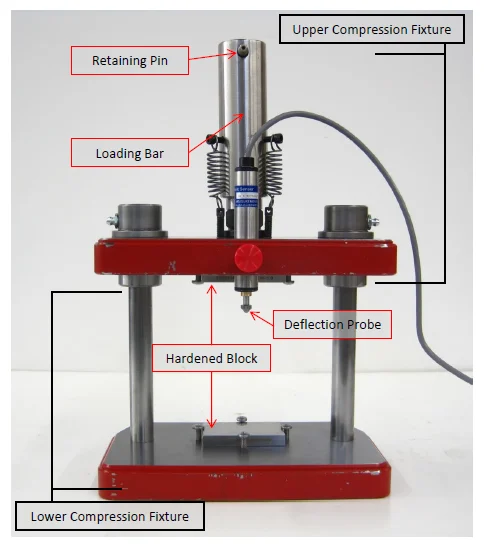
Deflection, in materials science, is the amount a material deflects under compressive load. It is a displacement measurement with units expressed in millimeters or inches. This post goes over frequently asked questions around deflection measurements and equipment used to measure them.

Peel Strength Testing

Posted on
Peel strength is calculated by averaging the load to peel the specimen and dividing it by unit width of the bond line.

Tensile Testing FAQs

Posted on
Tensile testing FAQs including How does the loading rate affect tensile properties? How does grip-specimen engagement affect tensile properties? What is the best way to measure small strains? are answered.

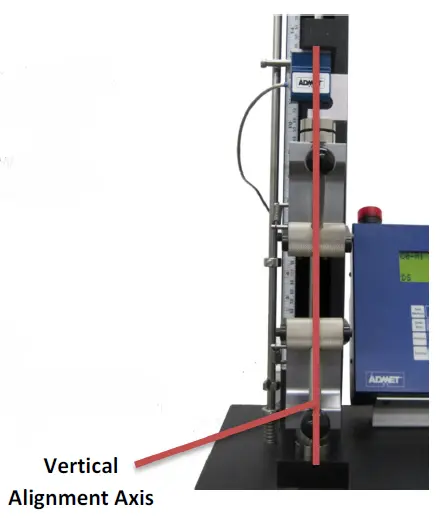
Specimen Alignment in Material Testing

Posted on
If a specimen is not properly aligned, bending moments occur between the applied force and the specimen axes, affecting the final test results.

Suture Tensile Strength Testing

Posted on
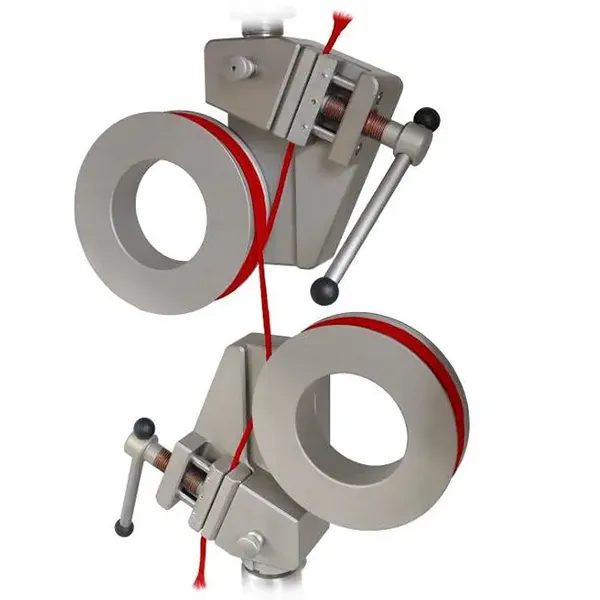
Suture tensile testing provides the key parameters when determining where the suture can be used and for how long it is intended to remain and is necessary to ensure the sutures meet the required performance specifications.

Pinching Grips Setup and Operation

Posted on
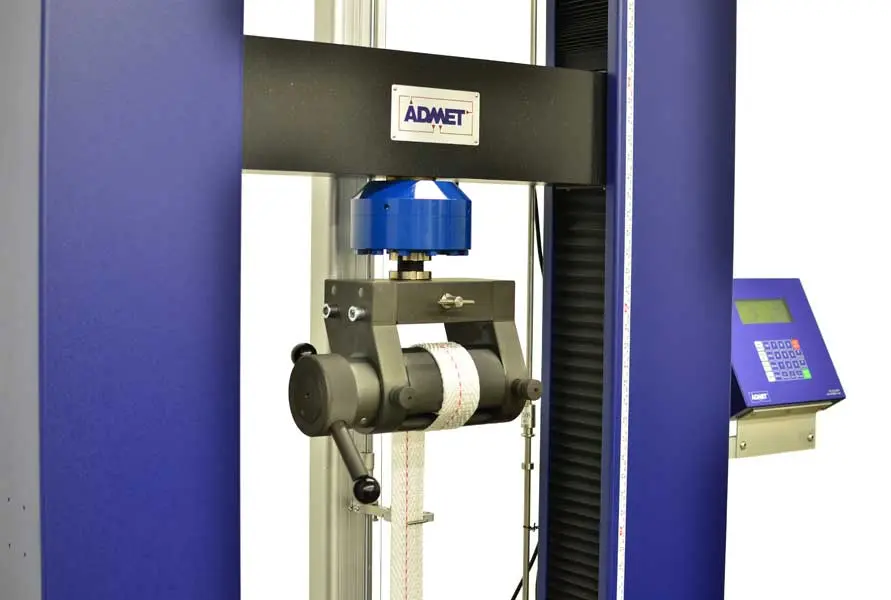
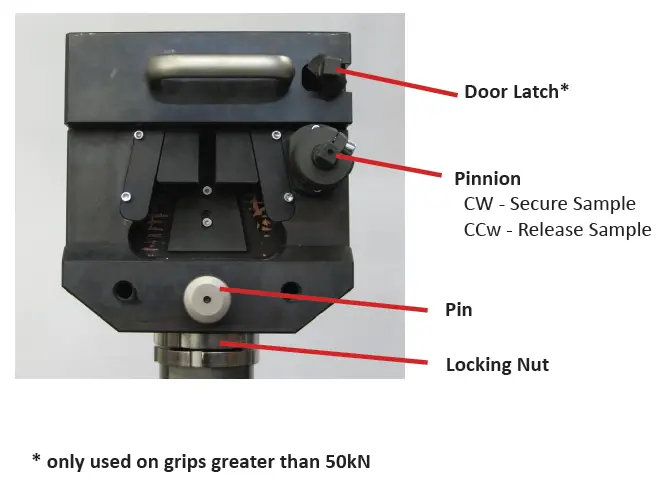
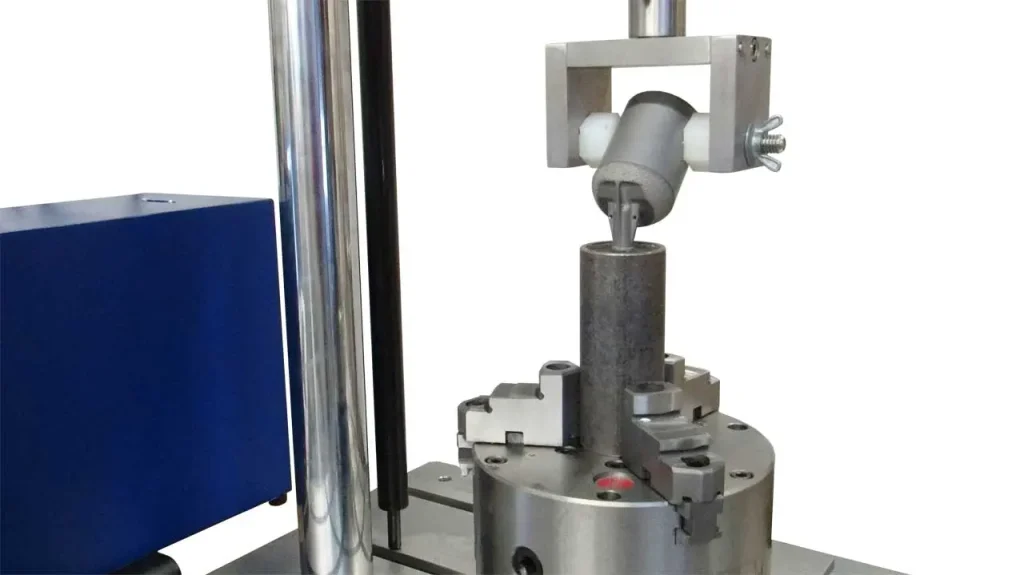
This post will help guide you through pinching (pincer) grip setup and operation on your universal testing machine.

An Introduction to Viscoelasticity Dynamic Mechanical Analysis

Posted on
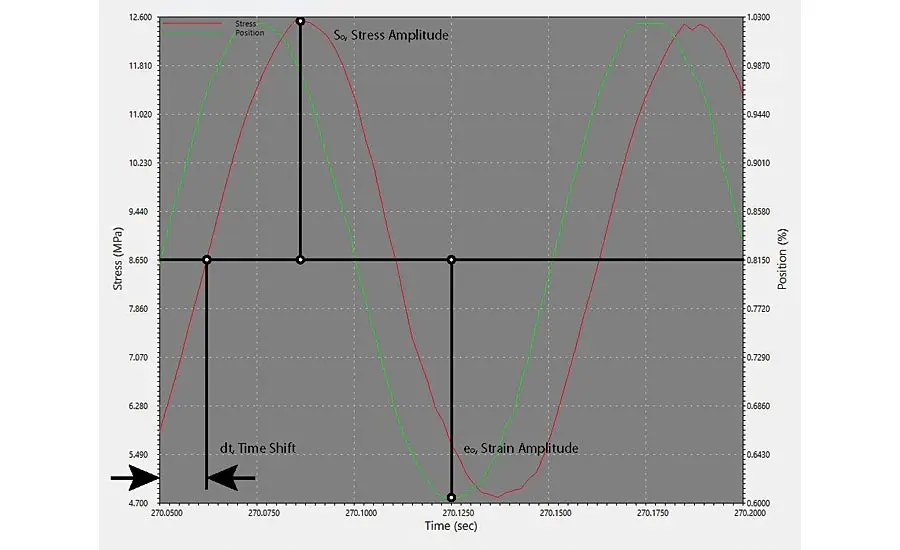
Dynamic mechanical analysis is carried out by applying a sinusoidally varying force to a test specimen and measuring the resulting strain response. By analyzing the material response over one cycle, its elastic-spring-like storage modulus and its viscous or flow-like loss (imaginary) modulus can be determined.

Medical Device Non-Clinical Bench (Mechanical) Testing

Posted on
This blog post covers non-clinical bench performance testing, specifically mechanical testing, and its reporting as recommended by the FDA, and provides a list of mechanical testing machines to run medical device testing.

Mechanical Testing of Vascular Stents

Posted on
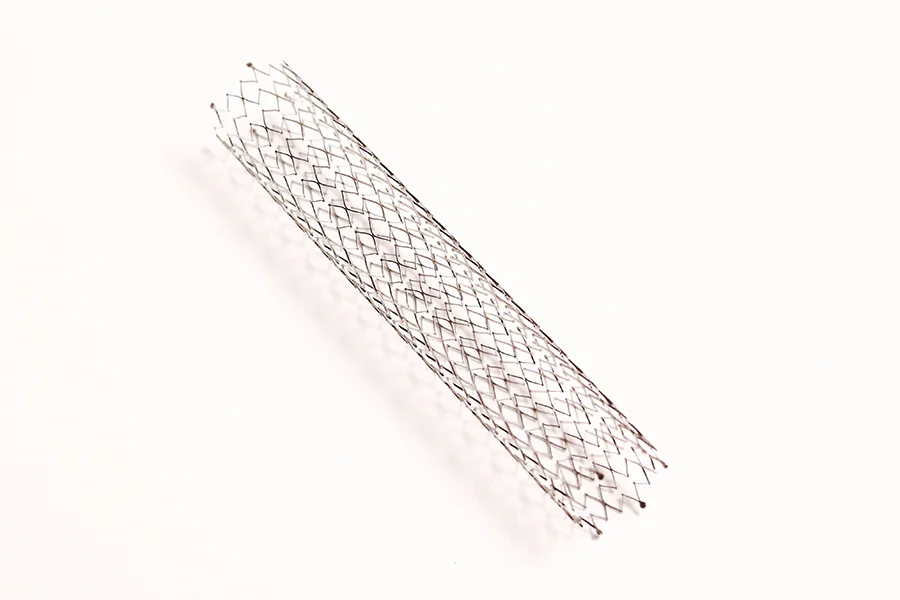
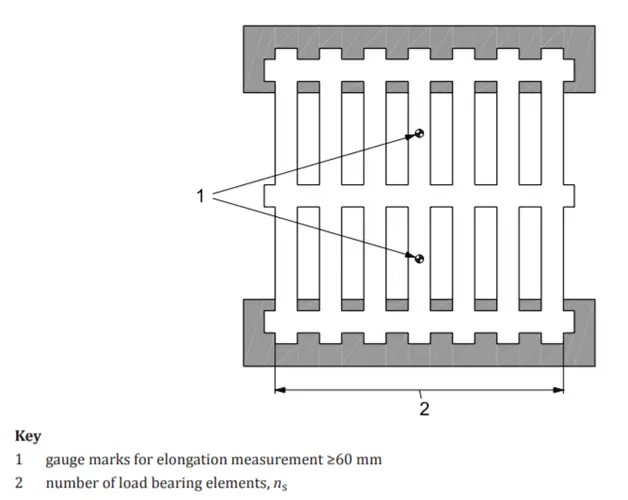
This blog post covers the various test types such as tension, fatigue, and flexure and the recommended equipment to test vascular stents.

Measurement Errors in Material Testing

Posted on
This blog post goes over the two different types (electromechanical and hydraulic) of universal testing machines and why accuracy, repeatability, and resolution are important in obtaining correct test results.

Lüders Bands Phenomenon in ASTM E8 Tensile Testing

Posted on
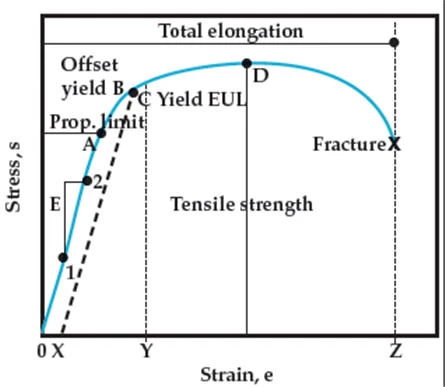
Some metals, particularly annealed low-carbon steel, or mild steel, show a discontinuity when transitioning from elastic to plastic deformation that produces the yield point phenomenon in the stress strain curve.

Wide Width Tensile Testing

Posted on
Wide width tensile testing is a type of tensile testing procedure used with specimens prepared with wider width than the standard tensile specimen coupons.

MTESTQuattro Upgrade Guide

Posted on
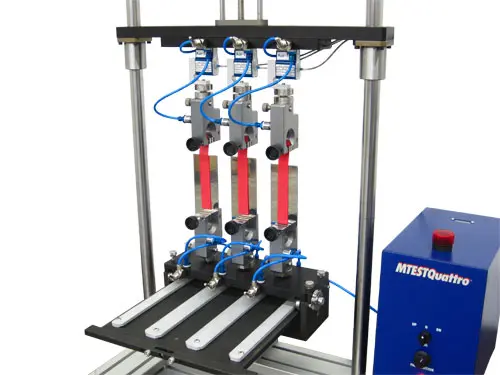
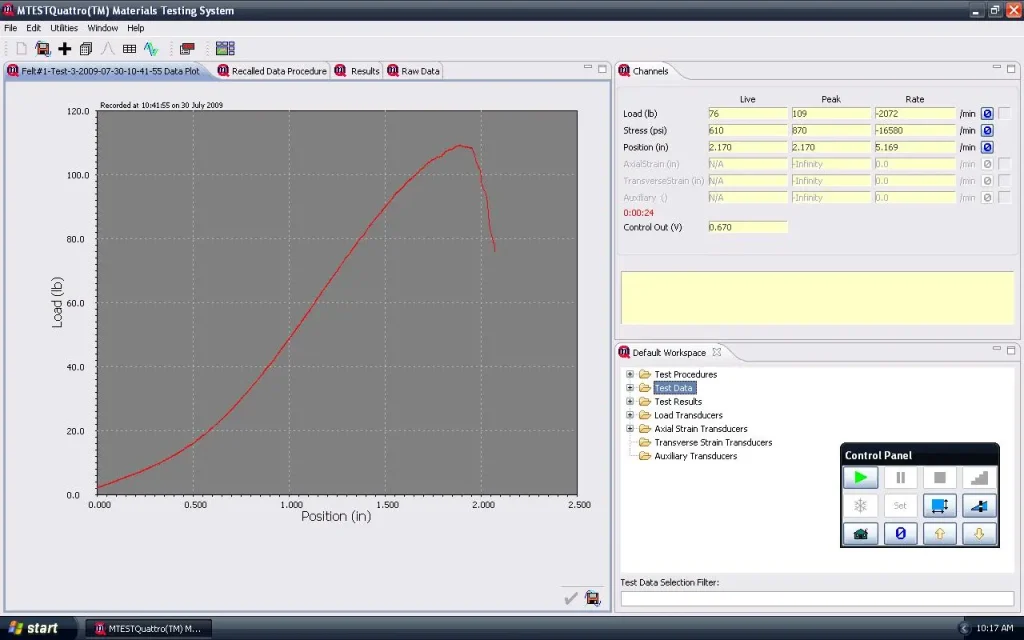
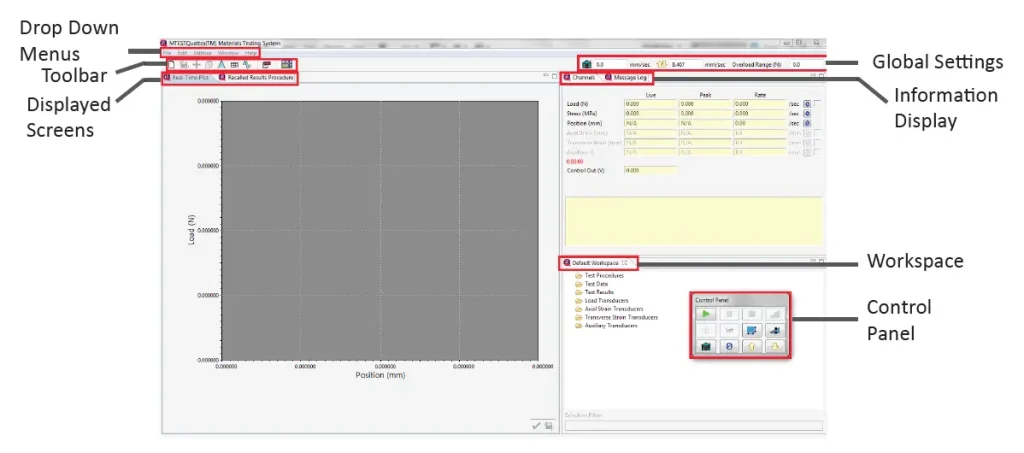
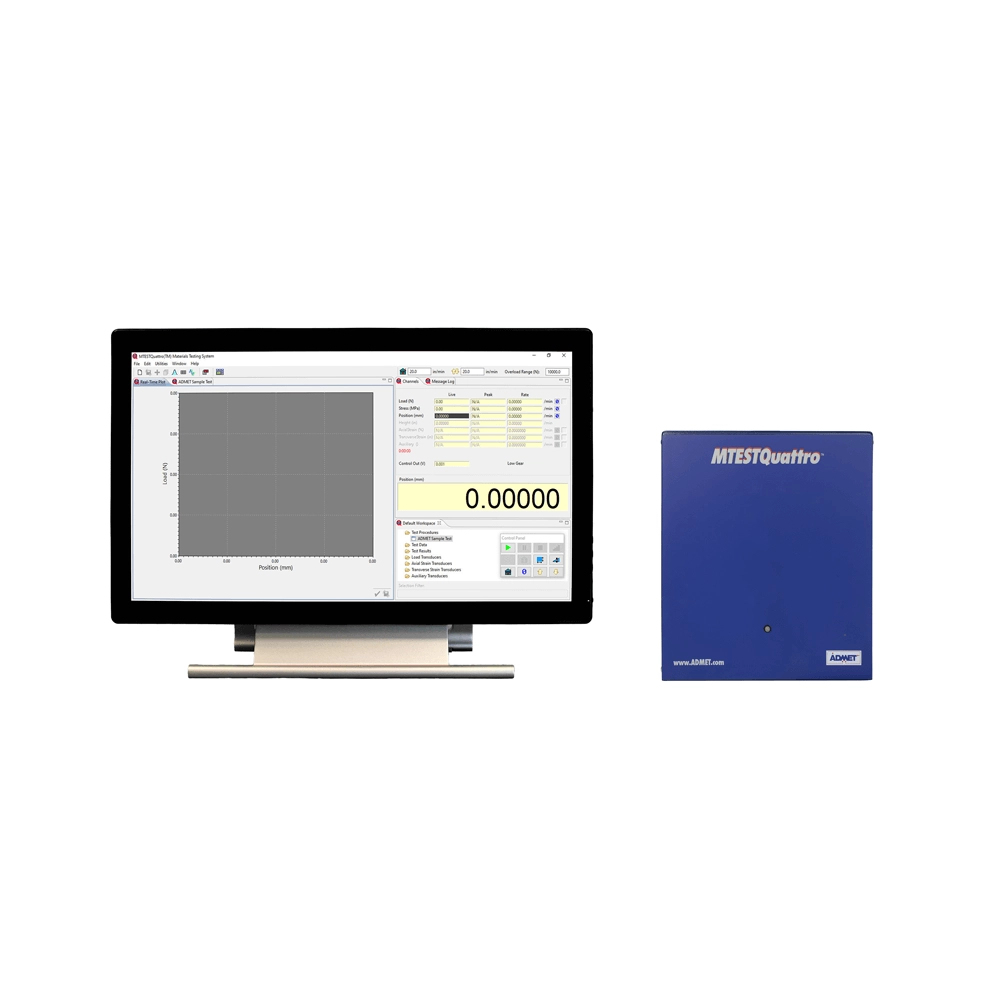
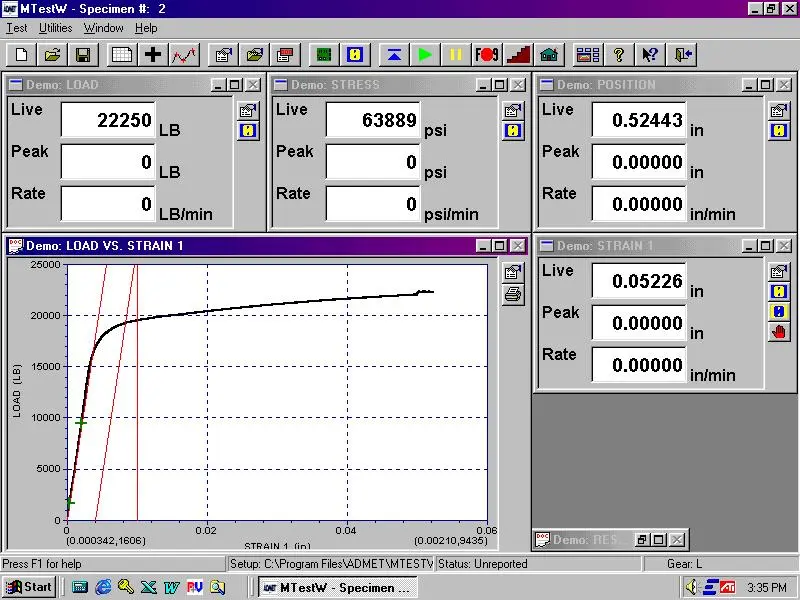
Delve into MTESTQuattro, material testing system, for accurate tension, compression, creep, fatigue, friction, and more. Explore its capabilities now.

Automotive Interior Mechanical Testing Guide

Posted on
This blog post covers the different mechanical tests used to ensure automotive interior parts pass the test for aesthetics, quality, safety, and durability.

Biomechanics & Biomechanical Testing

Posted on
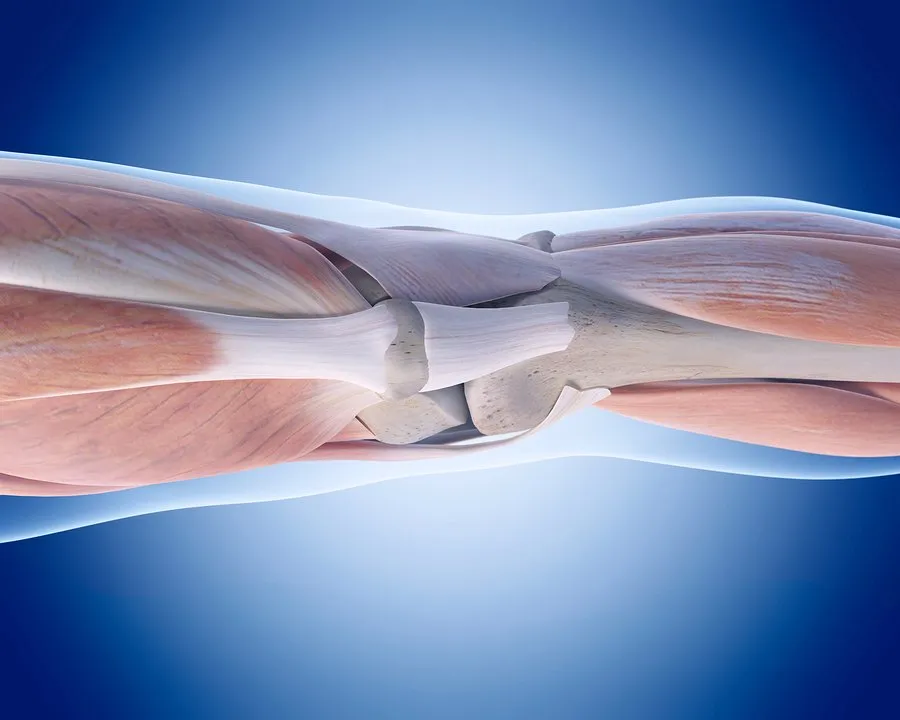
This post will go over the mechanics of bone and biomechanical testing of materials used in developing medical devices and equipment.

MTESTQuattro’s Analysis Tools

Posted on
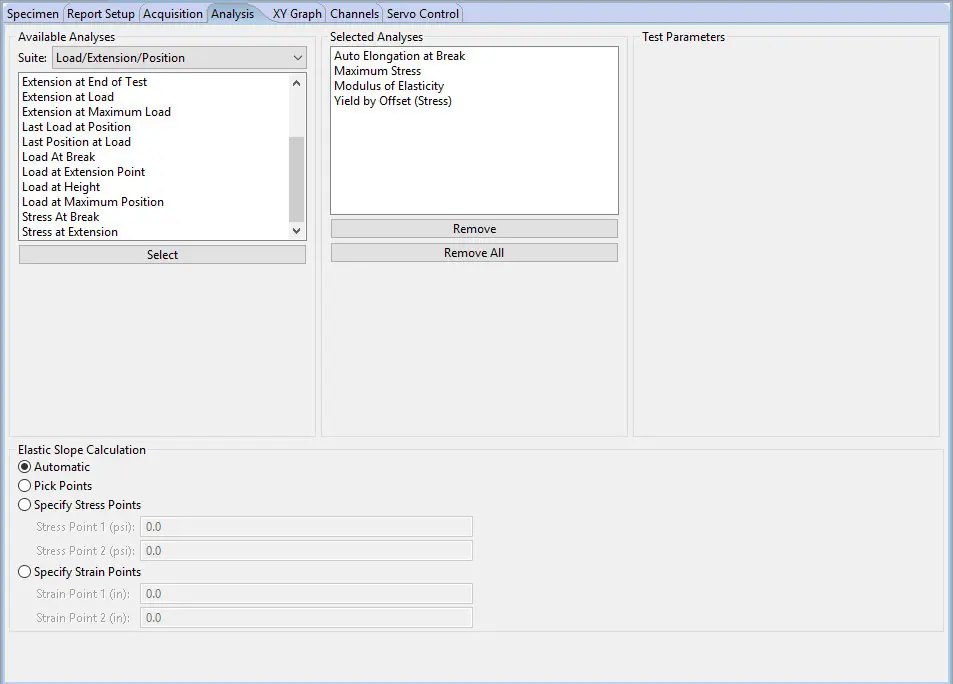
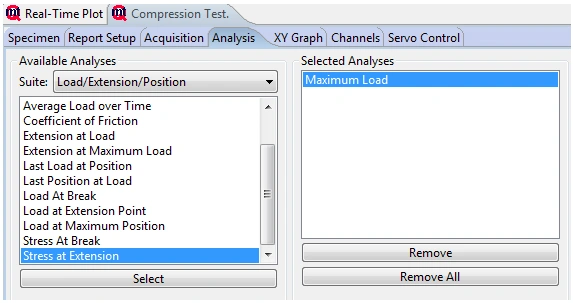
MTESTQuattro features built-in analyses to save you time and get right to testing. We’re constantly adding new analyses to increase system capabilities.

A Simplification of IFD Foam Testing

Posted on
Materials testing systems are one option to consider when managing quality control of foam products. Foam testing is often concentrated on Indentation Force Deflection (IFD), a method for determining the firmness, stiffness, and load bearing capacity of the materials.

Can I automate ASTM A370 to test rebar?

Posted on
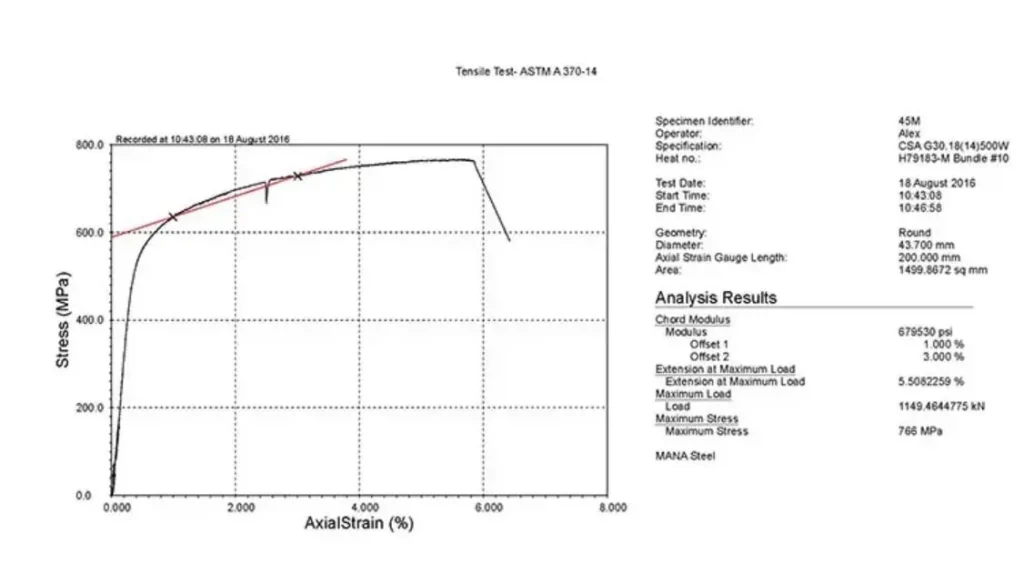
ASTM A370 is performed by steel manufacturers and commercial and government laboratories serving the construction industry to measure the strength of rebar.

Displacement Errors in Materials Testing

Posted on
All experimental measurements include errors. Before commencing testing, always ask the question: “Are my measurement errors small enough to not matter?” A thorough understanding of the sources and magnitudes of the errors is paramount to making accurate measurements.

How Do You Test Spinal Implants?

Posted on
ADMET’s spinal implant testing systems are the best way to ensure that these devices go beyond any and all requirements.